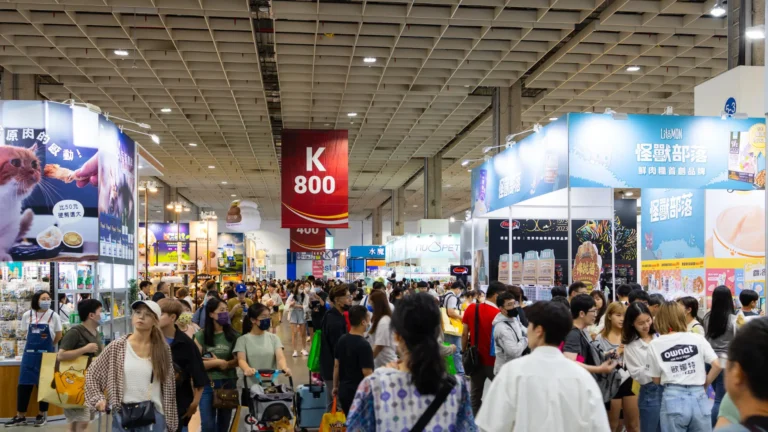
SEMA 2026 brings the specialty automotive aftermarket to the Las Vegas Convention Center from November 3 to 6, with three trade-only days and one public Friday. This guide covers the SEMA Show schedule, ticket types, show floor sections and the booth planning steps exhibitors should complete before arriving at SEMA Vegas.
What Is the SEMA Show?
This annual November event is the largest gathering of the specialty automotive aftermarket (parts, accessories and services sold after a vehicle leaves the factory). Manufacturers, distributors, retailers, installers and media meet in one venue to launch products, sign distribution deals and follow the customization trends that will shape the coming year. Beyond the exhibit halls, the event offers a professional education program and networking with exhibitors, industry leaders and participants from more than 140 countries and regions. This combination of product discovery, training and face-to-face meetings explains why many automotive companies build their annual sales calendar around this single week.
What Does SEMA Stand For?
SEMA is the abbreviation of the Specialty Equipment Market Association, a trade organization founded in 1963 that represents companies producing performance, restyling and accessory products for cars, trucks and powersports vehicles. The association organizes the trade event and supports its members through market research, regulatory advocacy (representing industry interests before lawmakers) and training programs.
SEMA Show 2026 Dates and Location
The 2026 edition runs November 3 to 6 at the Las Vegas Convention Center (LVCC), located at 3150 Paradise Road, Las Vegas, NV 89109. Recently completed renovations have modernized the campus, giving SEMA Show Las Vegas improved access for exhibitors, buyers and media. The free Vegas Loop, an underground Tesla shuttle system, moves visitors between distant halls in about two minutes instead of a walk that can take up to 25 minutes.
When Is the SEMA Show 2026?
Doors open to trade visitors on Tuesday, November 3, and the event closes on Friday, November 6. Exhibitor-only registration begins on October 29, which gives booth teams time to collect badges during move-in, while general registration desks operate from November 1 until the final afternoon. Reviewing the SEMA Show schedule months in advance helps teams secure hotel blocks, flights and installation crews before Las Vegas fills up. Brands planning further ahead can already note the 2027 edition on November 2 to 5 and compare it with other key events on our US trade show calendar.
SEMA Show Schedule and Hours
Exhibit halls at the SEMA Show follow a steady daily rhythm, with three full trade days followed by a shorter closing day. The table below summarizes the floor and registration hours published by the organizer, so teams can plan staffing shifts, client meetings and booth breaks around them.
| Date | Show Floor Hours | Registration Hours |
| Thu to Sat, Oct 29 to 31 | Closed | 7:30 am to 5:00 pm (exhibitors only) |
| Sun to Mon, Nov 1 to 2 | Closed | 7:30 am to 5:00 pm |
| Tue, Nov 3 | 9:00 am to 5:00 pm | 7:30 am to 5:00 pm |
| Wed, Nov 4 | 9:00 am to 5:00 pm | 7:30 am to 5:00 pm |
| Thu, Nov 5 | 9:00 am to 5:00 pm | 7:30 am to 5:00 pm |
| Fri, Nov 6 | 9:00 am to 4:00 pm | 7:30 am to 2:00 pm |
Friday afternoon carries two traditional highlights for visitors who stay until closing. The Battle of the Builders, a competition among leading custom vehicle builders, announces its winner at 3:30 pm, and the SEMA Cruise parade of show vehicles traditionally leaves the convention center as the halls close at 4:00 pm.
Who Can Attend the SEMA Show?
The event is trade-only for its first three days, so visitors must provide documentation showing they work in the automotive industry to receive a badge. Shop owners, buyers, builders, distributors, content creators and media register online in advance, and a dedicated student program allows automotive schools to bring learners during the week.
SEMA Show Tickets: Trade-Only Days vs Public Day
Access options for the SEMA Show differ sharply between professionals and enthusiasts, so choosing the right pass early avoids problems at the door. The main differences between the industry badge and the public Friday ticket are outlined below.
- Industry badge: Valid for all four days for qualified professionals. The standard price is $75, with a lower $50 early registration rate offered until late June.
- Public Friday ticket: Valid only on November 6 between 9:00 am and 4:00 pm, priced at $130 and limited to visitors aged 16 and over.
- Ticket pickup rules: Each buyer must collect their own ticket in person with a government-issued photo ID at South Hall or West Hall between 7:30 am and 2:00 pm, and tickets are not sold on the day.
- Concert bundles: Public tickets can be combined with SEMA Fest, the music festival held on the convention center grounds, at $170 for general admission or $210 for VIP access.
Because public visitors can only collect tickets on the day they attend, arriving early on Friday helps avoid long pickup lines at registration. Companies planning to join the event as exhibitors rather than visitors can work with D4D Exhibits to create a booth that turns every trade day into qualified business conversations.
What Industries Does the SEMA Show Represent?
The show floor is organized by product category across the North, West, Central and South Halls, which helps buyers plan efficient routes and allows exhibitors to reach the right audience. The main sections below cover nearly every segment of vehicle personalization, repair and performance.
- Restyling and car care: Interior and exterior styling, protection products and general accessories.
- Trucks, SUVs and off-road: Suspension, lighting, towing and overlanding (self-reliant off-road travel) equipment.
- Racing and performance: Engine components, motorsports parts and performance upgrades.
- Wheels and tires: Wheel technology plus the Global Tire Expo for tire products and services.
- Collision repair and tools: Paint systems, refinish equipment and professional shop tools.
- Mobile electronics: Audio, cameras, connectivity and connected-vehicle technology.
- Powersports and SxS: Parts for motorcycles, ATVs and side-by-side (two-seat off-road utility) vehicles.
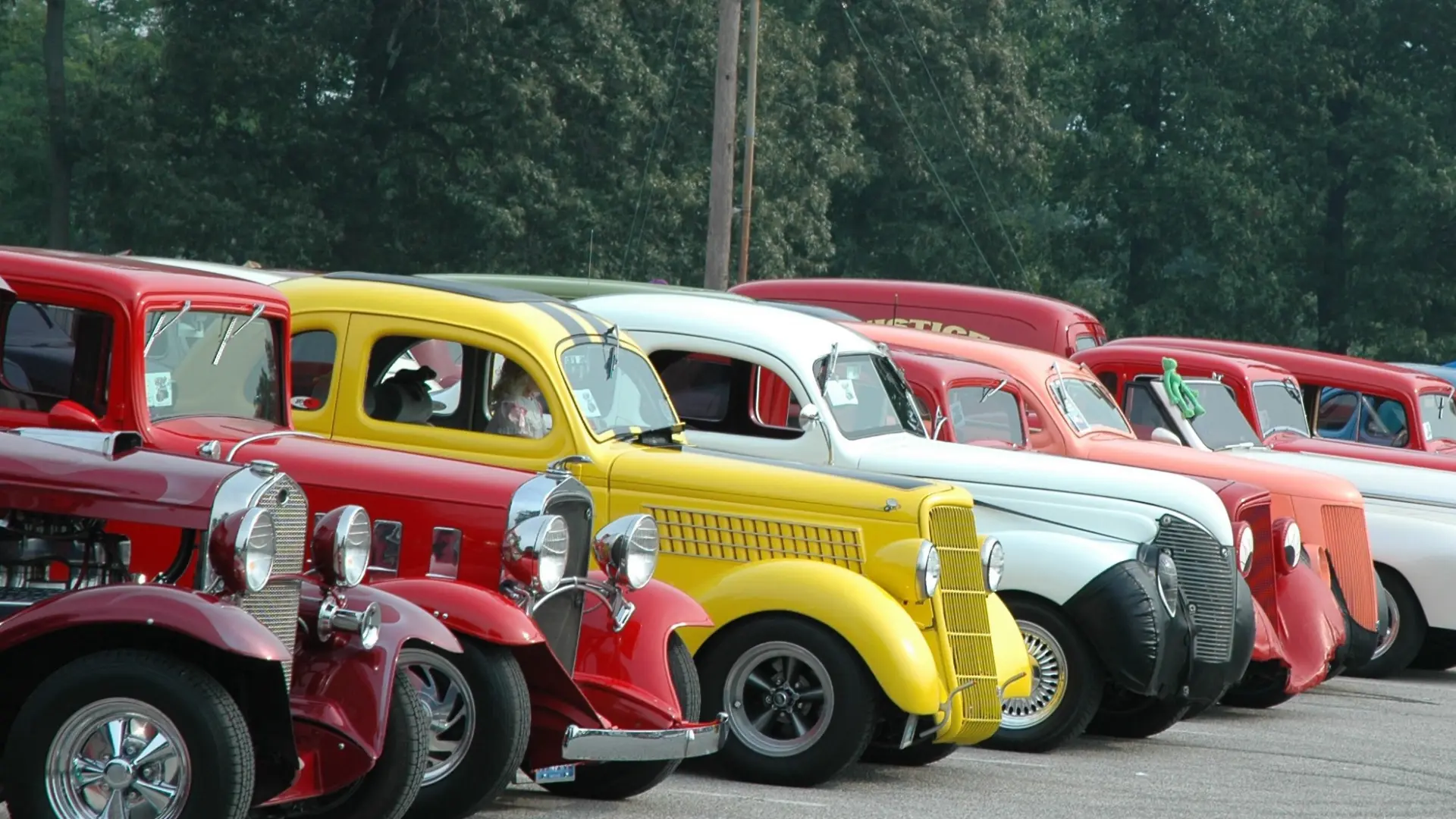
- Restoration and Hot Rod Alley: Products for classic cars, hot rods and early-production vehicles.
This category-based layout matters for exhibitors as much as for visitors, since booth location within the right section determines which buyers pass by. D4D Exhibits designs booths tailored to each product segment, from off-road accessories to collision repair tools, so your display speaks directly to the audience in your hall.
What Can You See at the SEMA Show in Las Vegas?
Visitors can explore more than 2,400 vendors and over 1,000 one-of-a-kind vehicle builds displayed in booths, lobbies and outdoor lots. The New Products Showcase gathers thousands of launches in one area, while the FutureTech Studio focuses on electric vehicles, automation and next-generation propulsion. Feature vehicles act as rolling product demonstrations, since each build shows aftermarket parts installed in a real application. Attendees can scan these vehicles through the official mobile app to see the installed products and the exhibitor behind each build.
Why Is the SEMA Show Important for Automotive Brands?
Few events concentrate buyers, distributors and media from so many countries within four days, which makes SEMA 2026 a key moment for product launches and dealer recruitment. A single week of SEMA Vegas can replace dozens of separate sales trips, and many purchasing decisions for the following season start with conversations on the show floor. The event also works as a trend barometer for the entire aftermarket. Content creators and trade journalists cover new products in real time, so a well-presented launch can reach audiences far beyond the convention center and strengthen brand awareness (how familiar the target market is with a company) throughout the year.
Why Exhibit at the SEMA Show?
Exhibiting places a brand directly in front of qualified buyers who arrive with budgets and specific sourcing goals. Companies that invest in a strong Las Vegas trade show booth during SEMA Vegas usually pursue several commercial goals at once, as summarized below.
- Lead generation: Collecting qualified contacts through lead retrieval (scanning visitor badges to capture contact data).
- Distribution growth: Meeting regional distributors and retailers searching for new product lines.
- Product validation: Testing market reactions to prototypes before full production.
- Media exposure: Earning coverage from trade press and automotive influencers on site.
These goals reinforce each other when the booth, the staff and the follow-up plan work together. Setting measurable targets such as qualified leads or distributor meetings makes return on investment easier to evaluate, and D4D Exhibits shapes booth layouts around these targets from the very first sketch.
How to Stand Out on a Crowded Show Floor
With thousands of exhibitors competing for attention at the SEMA Show, visibility depends on a clear concept rather than booth size alone. Effective exhibition booth design combines height, lighting and a single focal point that visitors recognize from the aisle, supported by the tactics below.
- Hero vehicle or product: Place one standout build at the corner with the heaviest foot traffic.
- Overhead branding: Use rigging (suspending signs or structures from the hall ceiling) so the logo is visible from a distance.
- Controlled lighting: Spotlight key products, since halls feel flat under standard ceiling lights.
- Pre-show outreach: Book buyer meetings in advance instead of relying only on walk-in traffic.
No single tactic works in isolation, so the strongest results come from pairing a recognizable visual concept with well-trained booth staff. D4D Exhibits brings these elements together in one design process, helping your brand catch attention from the aisle and convert that interest into real meetings.
Why Is Professional Exhibition Stand Design Important at SEMA?
Displaying vehicles and heavy parts creates technical demands that shell schemes (basic modular booths supplied by organizers) cannot handle. Floors must support concentrated loads, structures must meet venue height and fire regulations, and every element needs approval from show management before installation begins. A professional partner also protects brand consistency by ensuring colors, materials and messaging match the company’s global identity. Choosing a custom booth in Las Vegas built by a local team reduces shipping costs, shortens set-up time and keeps last-minute changes manageable during SEMA Vegas move-in.
Booth Design Ideas for Vehicle and Parts Displays
Vehicle-focused booths work best when the car or truck tells the product story while the structure around it supports that message. The ideas below suit any trade show booth format, from an inline booth (open only to the front aisle) to an island booth (open on all four sides).
- Raised platforms and turntables: Lift the vehicle for visibility and rotate it to show every angle.
- Cutaway displays: Reveal internal components such as suspension or engine parts in cross-section.
- Illuminated product walls: Present small parts on organized, backlit shelving.
- Interactive screens: Let visitors configure products or watch installation videos.
- Meeting lounge: Offer a semi-private area for distributor negotiations.
The right combination depends on booth size, product type and visitor goals. A compact inline space may rely on one illuminated wall and a single vehicle, while an island can mix several elements. Share your floor plan with D4D Exhibits to receive a vehicle display concept designed specifically for your space.
How Should International Exhibitors Prepare for the SEMA Show in Las Vegas?
Overseas companies need a longer runway than domestic exhibitors because visas, customs and freight add weeks to the timeline. Staff traveling for SEMA 2026 usually require a B-1 business visa or ESTA authorization (the online approval for the US visa waiver program), and consulate appointments can take months in some countries. Cultural expectations also matter, since American buyers favor open layouts, hands-on demonstrations and fast follow-up after the event. Our guides for UK, German, Italian, Spanish and South Korean exhibitors explain how these differences shape booth planning in the US.
Logistics, Shipping and Installation Tips
Freight and installation for the SEMA Show are where most budget surprises occur, so early coordination with official contractors is essential. The steps below help international and domestic teams move booths and vehicles into the halls on time.
- Choose your shipping route: Send freight to the advance warehouse (an off-site facility that receives materials before the show) or directly to the venue within your assigned move-in window.
- Budget for drayage: These material handling fees cover moving freight from the loading dock to your booth and are calculated by weight.
- Prepare temporary import documents: An ATA Carnet (an international customs document for duty-free temporary imports) simplifies bringing display goods into the US.
- Book installation early: Hire an EAC (exhibitor-appointed contractor, an independent company approved to build booths) and review how to choose an EAC before signing.
- Follow vehicle rules: Show vehicles typically need low fuel levels and disconnected batteries, so confirm requirements in the exhibitor service manual.
Matching freight arrival with the move-in windows on the SEMA Show schedule prevents storage fees and missed time slots. Labor rates rise sharply for overtime, so finishing installation within regular hours keeps the budget for SEMA Show Las Vegas under control. D4D Exhibits manages this entire process with its own experienced installation crews.
Planning an Exhibition Booth for the SEMA Show
Successful exhibitors treat the booth as a project with fixed milestones rather than a last-minute task. Working backward from move-in day, the timeline below shows when each key decision should be made for SEMA Show Las Vegas.
- 9 to 12 months before: Reserve floor space, since prime locations near main aisles sell out early.
- 6 to 8 months before: Approve the exhibition design concept and budget, including vehicles and product mix.
- 4 to 5 months before: Submit structural drawings for approval and order electrical, internet and rigging services.
- 2 to 3 months before: Finalize graphics, freight bookings and staff travel.
- Final weeks: Confirm installation crews, meeting calendars and lead retrieval devices.
Companies with limited budgets or a first-time presence can consider a rental trade show booth, which pairs custom graphics with reusable structures. Checking the SEMA Show schedule alongside these milestones keeps SEMA 2026 preparations realistic, and D4D Exhibits can map this timeline for your team as soon as your space is confirmed.
How D4D Exhibits Supports Exhibitors at SEMA Show 2026
D4D Exhibits is a trade show design company delivering turnkey (complete, ready-to-use) booth solutions across the United States, covering concept design, fabrication, shipping coordination and I&D (installation and dismantle). Our team builds each exhibition stand for the SEMA Show to handle vehicle loads, venue regulations and brand storytelling within one coordinated project. With production and installation crews experienced at the Las Vegas Convention Center, we help exhibitors at SEMA Show Las Vegas meet deadlines and control on-site costs. Whether you are preparing for SEMA 2026 or already planning the 2027 edition, contact D4D Exhibits today to receive a custom booth design proposal and a clear budget estimate.