Standard Booth Size for Trade Shows

Standard booth size plays a crucial role in trade show planning, as it directly impacts layout, design, and visitor interaction. Understanding standard trade show booth size options helps exhibitors choose the most suitable space for their goals and budget. A well-selected booth size ensures efficient use of space while maximizing visibility and engagement. What Is the Standard Booth Size in Trade Shows? [vc_btn title="Email" color="sky" i_icon_fontawesome="far fa-envelope-open" css=".vc_custom_1759854972671{margin-right: 20px !important;margin-left: 20px !important;}" add_icon="true" link="url:mailto%3Asales%40d4dexhibits.com"] [vc_btn title="Whatsapp" color="green" i_icon_fontawesome="fab fa-whatsapp" css="" add_icon="true" link="url:https%3A%2F%2Fwa.me%2F13212038514"] [vc_btn title="Meet with D4D EXHIBITS TEAM" color="warning" i_icon_fontawesome="far fa-calendar" css="" add_icon="true" link="url:https%3A%2F%2Fmeetings.hubspot.com%2Fdogan-can%3Fuuid%3D400eb8c7-9737-46b6-b01a-cf6229f4c254"] In most exhibitions, the standard booth size is typically 10x10 feet. This size is widely used because it offers a balanced space for branding, product display, and visitor interaction without requiring excessive resources. It serves as the baseline for exhibitors, especially those participating for the first time. The standard trade show booth size can vary slightly depending on the event and region, but the 10x10 format remains the industry norm. Organizers often build larger booth options by combining multiple standard units. This modular structure allows flexibility while maintaining consistency across the exhibition stand floor. Common Standard Booth Dimensions and Layout Options Trade shows offer a variety of booth configurations based on standard booth dimensions. These layouts are designed to accommodate different exhibitor needs while maintaining an organized floor plan. Understanding these options helps businesses choose the most effective setup. Before reviewing common layouts, it is important to note that each configuration affects visibility, accessibility, and traffic flow. The most frequently used booth types include: Inline Booth (10x10 feet): Positioned in a row with neighboring booths on both sides. Corner Booth (10x10 feet): Located at the end of a row with two open sides. End Cap Booth (10x20 feet): Positioned at the end of an aisle with wider exposure. Island Booth (20x20 feet or larger): Open on all sides, offering maximum visibility. How to Choose the Right Standard Booth Size? Selecting the right standard booth size trade show option depends on your objectives, budget, and expected traffic. A smaller booth may be sufficient for brand awareness, while larger spaces are better suited for product demonstrations and meetings. The right choice ensures both efficiency and impact. It is also important to consider your team size and the type of engagement you plan to create. Overcrowding can reduce visitor experience, while too much empty space may look uninviting. Balancing functionality and presentation is key to effective booth selection. Factors That...

Continue Reading

The Ultimate Trade Show Checklist

A trade show checklist is an essential tool that ensures every stage of event preparation is organized and executed efficiently. From logistics to marketing and follow-up, a structured trade show plan helps teams stay aligned and avoid costly oversights. Using a clear and detailed tradeshow checklist improves coordination, saves time, and increases overall event success. Why a Trade Show Checklist Is Essential for Success? [vc_btn title="Email" color="sky" i_icon_fontawesome="far fa-envelope-open" css=".vc_custom_1759854972671{margin-right: 20px !important;margin-left: 20px !important;}" add_icon="true" link="url:mailto%3Asales%40d4dexhibits.com"] [vc_btn title="Whatsapp" color="green" i_icon_fontawesome="fab fa-whatsapp" css="" add_icon="true" link="url:https%3A%2F%2Fwa.me%2F13212038514"] [vc_btn title="Meet with D4D EXHIBITS TEAM" color="warning" i_icon_fontawesome="far fa-calendar" css="" add_icon="true" link="url:https%3A%2F%2Fmeetings.hubspot.com%2Fdogan-can%3Fuuid%3D400eb8c7-9737-46b6-b01a-cf6229f4c254"] Trade show planning involves multiple moving parts that must work together seamlessly. Without a clear structure, important tasks can be missed, leading to inefficiencies and missed opportunities. A well-prepared trade show exhibitor checklist helps teams stay focused and organized throughout the entire process. In addition, a structured exhibition checklist improves communication between departments such as marketing, sales, and operations. It ensures that responsibilities are clearly defined and timelines are followed. This level of coordination is critical for delivering a professional and impactful event presence. Pre-Event Trade Show Checklist Preparing before the event is crucial for setting a strong foundation. A comprehensive trade show checklist template helps ensure that all necessary steps are completed in advance. This phase focuses on planning, logistics, and promotion. Before reviewing the checklist, it is important to understand that early preparation reduces last-minute stress and allows for better decision-making. The following items should be addressed prior to the event: Define goals and objectives for the trade show plan, Select the right event based on target audience and industry relevance, Book booth space and confirm location details, Design and produce booth materials and visuals, Arrange travel and accommodation for the team, Prepare marketing materials such as brochures and business cards, Launch pre-event marketing campaigns, Train staff on messaging and engagement strategies. On-Site Trade Show Checklist Execution during the event requires attention to detail and strong coordination. A well-structured tradeshow checklist ensures that all on-site activities run smoothly and efficiently. This phase focuses on setup, engagement, and performance monitoring. Before moving to the checklist, it is essential to recognize that first impressions matter significantly. Proper setup and team readiness can directly influence visitor engagement and overall success. Set up booth according to design plan, Test all equipment and digital displays, Ensure branding and messaging are clearly visible, Brief the team on daily goals and responsibilities, Engage visitors with product demonstrations and conversations, ...

Continue Reading

Trade Show Planning: A Complete Step-by-Step Guide

Trade show planning is a structured process that combines strategy, logistics, and execution to ensure successful event participation. From defining objectives to managing post-event follow-ups, every step directly impacts business outcomes. A well-organized approach to trade show event management helps brands maximize visibility, generate leads, and build lasting industry connections. The Rising Importance of Trade Show Planning in Modern Marketing [vc_btn title="Email" color="sky" i_icon_fontawesome="far fa-envelope-open" css=".vc_custom_1759854972671{margin-right: 20px !important;margin-left: 20px !important;}" add_icon="true" link="url:mailto%3Asales%40d4dexhibits.com"] [vc_btn title="Whatsapp" color="green" i_icon_fontawesome="fab fa-whatsapp" css="" add_icon="true" link="url:https%3A%2F%2Fwa.me%2F13212038514"] [vc_btn title="Meet with D4D EXHIBITS TEAM" color="warning" i_icon_fontawesome="far fa-calendar" css="" add_icon="true" link="url:https%3A%2F%2Fmeetings.hubspot.com%2Fdogan-can%3Fuuid%3D400eb8c7-9737-46b6-b01a-cf6229f4c254"] In today’s competitive landscape, trade shows remain one of the most effective channels for face-to-face engagement. Businesses rely on trade show event planning to create meaningful interactions that digital channels often cannot replicate. This direct communication strengthens trust and accelerates decision-making processes. Trade show exhibit management has also evolved with technology, allowing brands to deliver immersive experiences. Interactive displays, data-driven insights, and personalized engagement strategies have made events more impactful. As a result, companies that invest in structured tradeshow planning gain a measurable advantage over competitors. What Is Trade Show Planning and Why It Matters? Trade show planning refers to the end-to-end organization of an event presence, including strategy, design, logistics, and performance tracking. It ensures that all elements align with business goals and target audience expectations. A well-managed process reduces risks and increases efficiency. Effective trade show event management contributes to brand positioning and revenue growth. It allows companies to showcase products, connect with decision-makers, and analyze market trends. Without a clear plan, even high-budget participation may fail to deliver meaningful results. Step-by-Step Guide to Planning a Trade Show A structured approach is essential when planning a trade show, as it helps maintain consistency and control throughout the process. Each step builds upon the previous one, ensuring that no critical detail is overlooked. The following steps outline a comprehensive framework for successful execution. 1. Define Clear Goals and Objectives Setting clear goals is the foundation of effective trade show planning. Objectives guide decisions related to budget, booth design, and marketing strategies. Without defined targets, it becomes difficult to measure success or optimize performance. Common goals include lead generation, brand awareness, and product launches. These objectives should be supported by measurable KPIs such as visitor numbers or conversion rates. Clear direction ensures that all efforts remain focused and aligned. 2. Set a Realistic Budget Budget planning is a critical aspect of trade show event management, as it determines the scale and quality...

Continue Reading

SIBOS 2026 Miami: Trade Show Booth Guide

Every year Sibos gathers the most influential decision-makers in banking, fintech, and financial services. In 2026, the event will take place in Miami, creating a major opportunity for companies targeting the U.S. and global markets. [vc_btn title="Email" color="sky" i_icon_fontawesome="far fa-envelope-open" css=".vc_custom_1759854972671{margin-right: 20px !important;margin-left: 20px !important;}" add_icon="true" link="url:mailto%3Asales%40d4dexhibits.com"] [vc_btn title="Whatsapp" color="green" i_icon_fontawesome="fab fa-whatsapp" css="" add_icon="true" link="url:https%3A%2F%2Fwa.me%2F13212038514"] [vc_btn title="Meet with D4D EXHIBITS TEAM" color="warning" i_icon_fontawesome="far fa-calendar" css="" add_icon="true" link="url:https%3A%2F%2Fmeetings.hubspot.com%2Fdogan-can%3Fuuid%3D400eb8c7-9737-46b6-b01a-cf6229f4c254"] When Is SIBOS 2026 Miami? SIBOS is scheduled to take place from September 28 to October 1, 2026, at the Miami Beach Convention Center in Miami. As one of the leading global events in banking and financial services, Sibos is typically held over several days, bringing together industry leaders, decision-makers, and innovators from around the world. At SIBOS, Your Booth Is Your Brand Strategy SIBOS 2026 Miami, the level of competition and brand investment is significantly higher than typical industry events. Global companies approach this platform as a strategic showcase not just a presence, which directly raises the expectations from every exhibitor on the floor. In such a competitive setting, simple or modular booth structures remain limited in their ability to capture attention or communicate brand value effectively. The environment is shaped by companies that invest heavily in impactful solutions such as: Custom architecture, High-end materials, Immersive brand experiences. Within this context the booth becomes more than a physical space, it functions as a direct representation of how a brand positions itself in the market. It influences first impressions, shapes visitor perception and plays a measurable role in overall event performance and return on investment. Why Companies Choose Custom Booths at SIBOS 2026 Miami To compete at SIBOS 2026 Miami companies need to be visible while also demonstrating a strong presence. A custom booth allows you to: Reflect your brand at a global level, Attract high-value visitors, Create meeting-focused environments, Stand out in a highly competitive floor. This is exactly where D4D EXHIBITS comes in. Going beyond a standard booth solution, it delivers a completely stress-free exhibiting experience. At D4D EXHIBITS, we don’t just design and build booths. We also eliminate the operational burden of the exhibition process, making it smooth, manageable, and efficient for your team. What Makes D4D EXHIBITS Different? D4D EXHIBITS stands out by offering more than a standard booth production service, combining design, execution, and project management into a single, seamless process. Instead of focusing only on how a booth looks, the approach is built around how it performs, how it supports...

Continue Reading

Atlanta Trade Shows: Top Exhibitions and Expos in 2026

You Can’t Miss Atlanta continues to position itself as a strategic hub for large-scale industry gatherings across diverse sectors. With its strong infrastructure, accessible logistics network, and established convention facilities, the city attracts decision makers, manufacturers, distributors, and innovators from both domestic and international markets. As 2026 approaches, the trade show in Atlanta landscape reflects evolving sector priorities, emerging technologies, and shifting market dynamics, increasing demand for innovative exhibition stand solutions that support stronger brand visibility and engagement. Top Atlanta Trade Shows by Industry Atlanta has established itself as a strategic meeting point for multiple industries, hosting a wide range of sector-specific exhibitions throughout the year. An Atlanta trade show often attracts regional distributors, national brands, and international buyers seeking structured networking environments. The diversity of Atlanta trade shows reflects the city’s strong logistics infrastructure and well-developed convention facilities. Industry segmentation plays a defining role in the trade show in the Atlanta landscape. Each sector-focused event addresses a distinct professional audience, shaping the scale, content, and exhibitor profile of the exhibition. The following industries stand out within the Atlanta trade shows calendar: Manufacturing and Industrial Technologies: Large-scale machinery, automation, and supply chain exhibitions. Apparel and Fashion: Wholesale markets connecting brands with retailers and buyers. Energy and Sustainability: Renewable energy and environmental innovation platforms. Construction and Building: Infrastructure, materials, and contracting expos. Food and Natural Products: Health focused and specialty product trade events. This sectoral diversity positions each Atlanta trade show as a targeted business development platform rather than a generalized exhibition environment. The Most Influential Trade Shows in Atlanta You Should Know Certain Atlanta trade shows have gained international recognition due to their scale, longevity, and sector impact. A major trade show in Atlanta typically gathers decision-makers, manufacturers, investors, and media representatives within a highly structured exhibition setting. Influence is not defined solely by visitor numbers but also by industry relevance, educational programming, and commercial outcomes. The following exhibitions represent some of the most influential Atlanta trade shows across key industries: International Woodworking Fair (IWF Atlanta GA) The International Woodworking Fair stands among the largest woodworking technology exhibitions in North America. This Atlanta trade show focuses on machinery, tools, materials, and manufacturing solutions for wood processing professionals. Exhibitors often include global equipment manufacturers and technology providers, making the event a significant meeting point for industrial innovation within a trade show in Atlanta context. Atlanta Apparel Atlanta Apparel serves as a wholesale marketplace connecting apparel brands, retailers, and buyers. Unlike industrial-focused Atlanta trade...

Continue Reading
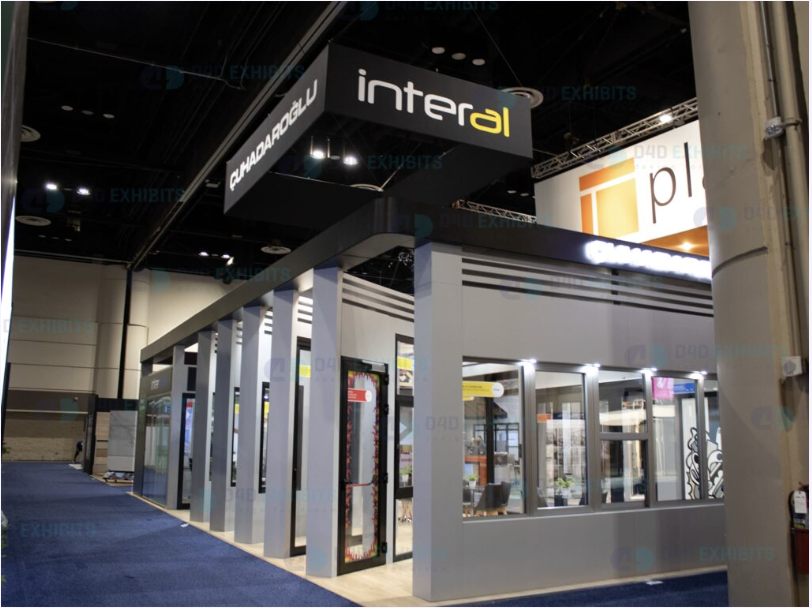
custom-booth-in-orlando-cuhadaroglu-ibs-2026-8

Experiential Marketing for Trade Shows: Strategies to Increase Booth Engagement

How to Increase Booth Engagement and Visitor Interaction Trade show floors are more competitive than ever. Standing out is no longer about having a visually appealing booth. It’s about creating an experience people remember. Experiential marketing transforms your exhibition stand from a static display into an interactive brand environment. Instead of simply attracting visitors, it encourages them to engage, explore, and connect. In the context of U.S. trade shows and other large-scale expos, engagement strategies are shaped by visitor expectations, industry context, and spatial design constraints. Structured planning and measurable objectives are typically integrated into booth concepts to ensure that interaction aligns with broader communication goals. What Experiential Marketing Means in a Trade Show Context Experiential marketing in exhibitions focuses on creating meaningful, interactive brand moments. Rather than passive viewing, visitors: Try your product  Interact with your brand  Participate in activities  Experience your value firsthand  This approach turns your booth into a live communication platform, where your message is not just seen, but experienced. How Experiential Trade Show Marketing Differs from Traditional Booth Design Traditional booth design often emphasizes visual presence, printed messaging, and product placement. Experiential trade show marketing, by contrast, centers on participation and multi-sensory engagement. The distinction can be summarized as follows: Static display vs. interactive environment, Information delivery vs. experience creation, Visual emphasis vs. multi-sensory stimulation, Short attention capture vs. sustained engagement. This structural shift positions experiential marketing as a performance-driven strategy rather than a purely aesthetic solution. The Role of Emotion and Interaction in Trade Show Engagement Emotion plays a defining role in experiential marketing. Trade show environments are dense with competing stimuli, making emotional differentiation critical. Interactive formats encourage visitors to invest time and attention, creating a stronger cognitive and emotional imprint. Through carefully designed engagement points, experiential trade show marketing aligns product demonstration with personal relevance. Why Experiential Marketing Improves Trade Show Booth Performance Experiential marketing enhances booth performance by increasing dwell time, improving interaction quality, and supporting post-event recall. In a typical experiential marketing trade show setting, success is measured not only by foot traffic but by meaningful exchanges. Engagement-driven strategies reshape how performance metrics are evaluated. When businesses consider what is experiential marketing in practical terms, they often examine its measurable impact. Compared to traditional formats, experiential trade show marketing generates higher visitor participation and stronger brand memory. The improvement stems from structured involvement rather than passive exposure. Performance advantages typically emerge in three areas: Greater visual and spatial differentiation within crowded exhibition halls Higher-quality conversations resulting from...

Continue Reading
custom-booth-in-orange-county-golf-by-qd-pga-show-2026-5

Exhibition Booth Design and Its Impact on Brand Perception

In a crowded trade show environment, your booth is more than just a space — it’s your brand’s physical identity. Within seconds, visitors decide: 👉 Should I stop here? 👉 Is this brand professional? 👉 Is it worth my time? That decision is driven almost entirely by your booth design. Exhibition booth design plays a critical role in how brands are interpreted within high traffic event environments. Spatial layout, material selection, lighting structure, and visual hierarchy collectively influence audience perception during a limited engagement window. Whether participating in a regional expo or a major U.S trade show, companies operate within competitive visual landscapes where differentiation requires deliberate design choices. Why Exhibition Booth Design Influences Brand Image Exhibition booth design functions as a three-dimensional representation of a brand within a competitive event environment. Unlike digital channels, a booth operates through spatial presence, materiality, and human interaction. Decisions related to form, structure, and layout directly influence how a company is perceived during limited face to face engagement.  When companies design exhibition booth concepts with long-term brand perception in mind, the physical space becomes an extension of corporate identity. Visual clarity, structural coherence, and environmental quality shape credibility. In this context, exhibition design booth planning is not an isolated creative task but a brand management exercise executed within a temporary architectural framework. The influence of exhibition booth design on brand image typically emerges through: Perceived quality of materials and finishes, Clarity of messaging within spatial organization, Immediate visual recognition and differentiation, Alignment between booth aesthetics and corporate identity. These factors collectively determine how visitors interpret the brand before any conversation begins. How Physical Exhibit Booth Design Shapes First Impressions First impressions are formed within seconds of visual contact. Exhibit booth design affects how accessible, structured, and credible a brand appears in a crowded exhibition hall. Height proportions, openness, and spatial transparency contribute to approachability. A booth exhibit design that feels organized and intentional reinforces confidence, while visual clutter may weaken perception. Visual Consistency in Booth Design for Exhibition Consistency between corporate branding and booth design for exhibition strengthens recognition. Typography, color systems, and graphic language should align with broader communication standards. Exhibition booth design that mirrors existing brand guidelines ensures continuity across marketing channels. This continuity reduces cognitive friction and supports recall. Emotional Responses in Exhibition Design Booth Environments Physical environments trigger emotional reactions. Lighting temperature, material texture, and spatial scale all influence visitor comfort. An exhibition design booth that balances openness with intimacy can encourage longer dwell time. Emotional...

Continue Reading