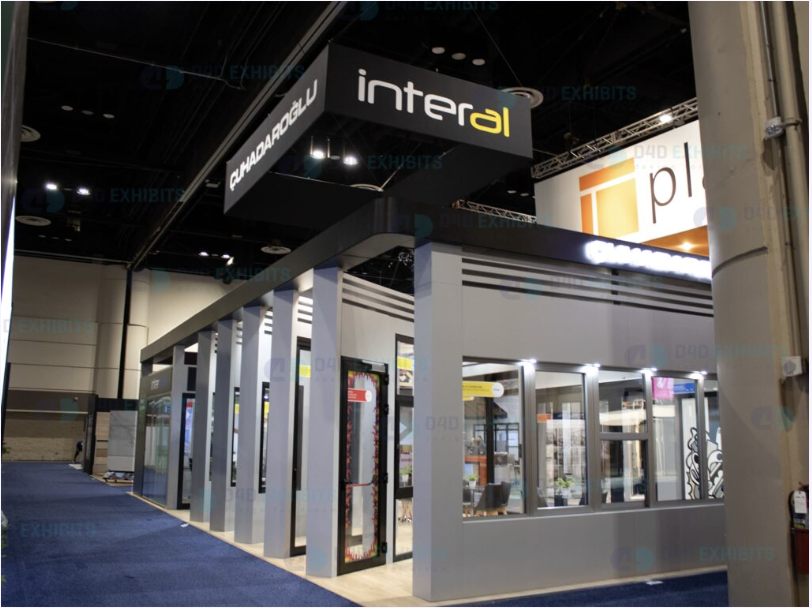
What Types of Promotion Take Place at Trade Shows?

What type of promotion takes place at trade shows is one of the most common questions asked by companies preparing for exhibitions and industry events. Trade shows allow brands to promote products increase visibility build relationships and generate business opportunities through multiple marketing methods. With the right booth strategy and execution partner such as D4D EXHIBITS, these promotional activities become significantly more effective and measurable. [vc_btn title="Email" color="sky" i_icon_fontawesome="far fa-envelope-open" css=".vc_custom_1759854972671{margin-right: 20px !important;margin-left: 20px !important;}" add_icon="true" link="url:mailto%3Asales%40d4dexhibits.com"] [vc_btn title="Whatsapp" color="green" i_icon_fontawesome="fab fa-whatsapp" css="" add_icon="true" link="url:https%3A%2F%2Fwa.me%2F13212038514"] [vc_btn title="Meet with D4D EXHIBITS TEAM" color="warning" i_icon_fontawesome="far fa-calendar" css="" add_icon="true" link="url:https%3A%2F%2Fmeetings.hubspot.com%2Fdogan-can%3Fuuid%3D400eb8c7-9737-46b6-b01a-cf6229f4c254"] What Types of Promotion Take Place at Trade Shows? Some exhibitors focus on direct product promotion while others prioritize networking lead generation or long-term brand awareness. Understanding what type of promotion takes place at trade shows can help companies create stronger exhibition strategies before the event starts. Common trade show promotions may include: Product launches, Live demonstrations, Interactive booth activities, Promotional giveaways, Networking events. Many exhibitors combine multiple promotional strategies during the same event to increase booth traffic and visitor engagement. Why Promotion Is Essential for Trade Show Success? Promotion plays a major role in exhibition visibility and visitor interaction. Companies asking what type of promotion takes place at trade shows are usually trying to improve booth performance and maximize return on investment during exhibitions. Strong promotional strategies may help companies: Increase booth traffic, Generate qualified leads, Improve brand visibility, Support sales opportunities, Build stronger client relationships. Without clear promotion planning even visually strong booths may struggle to attract consistent visitor attention during crowded exhibitions. Common Types of Trade Show Promotions What type of promotion takes place at trade shows often depends on the company’s marketing objectives and exhibition budget. Some brands focus on direct customer interaction while others invest in large-scale visual campaigns and experiential marketing activities. Common promotional activities may include: Product showcases, Sponsored presentations, Branded giveaways, Digital engagement campaigns, VIP business meetings. Product Demonstrations and Live Presentations Product demonstrations are among the most effective answers to the question what type of promotion takes place at trade shows. Live presentations help companies explain products directly to visitors while creating stronger booth interaction. Product demonstrations may help brands: Explain technical features, Increase visitor attention, Encourage live interaction, Support sales discussions, Create memorable experiences. Scheduled presentations may also improve visitor flow throughout the exhibition day. Giveaways and Promotional Items Giveaways remain one of the most common promotional tools used at exhibitions. Companies researching what type of promotion takes place at trade shows...

Continue Reading

How to Choose an Event Production Company for Trade Shows?

How to choose an event production company for trade shows is one of the most important decisions for brands preparing for exhibitions and international events. The right event production company can directly affect booth quality visitor engagement logistics and overall event performance. In international trade shows, experienced partners like D4D EXHIBITS play a critical role in ensuring flawless execution from production to on-site installation. [vc_btn title="Email" color="sky" i_icon_fontawesome="far fa-envelope-open" css=".vc_custom_1759854972671{margin-right: 20px !important;margin-left: 20px !important;}" add_icon="true" link="url:mailto%3Asales%40d4dexhibits.com"] [vc_btn title="Whatsapp" color="green" i_icon_fontawesome="fab fa-whatsapp" css="" add_icon="true" link="url:https%3A%2F%2Fwa.me%2F13212038514"] [vc_btn title="Meet with D4D EXHIBITS TEAM" color="warning" i_icon_fontawesome="far fa-calendar" css="" add_icon="true" link="url:https%3A%2F%2Fmeetings.hubspot.com%2Fdogan-can%3Fuuid%3D400eb8c7-9737-46b6-b01a-cf6229f4c254"] What Does an Event Production Company Do for Trade Shows? An event production company manages the operational and technical side of trade show participation. This may include booth setup lighting audiovisual systems logistics installation and on-site coordination. An event production company may handle: Booth production, Technical installations, Lighting systems, Graphic applications, On-site event coordination. Why Choosing the Right Event Production Company Matters? Choosing the wrong partner may lead to delays technical issues or poor booth presentation during the event. Brands evaluating how to choose an event production company for trade shows should focus on reliability and execution quality instead of only pricing. The right event production company can help brands: Maintain brand consistency, Improve booth functionality, Reduce operational stress, Meet exhibition deadlines, Create stronger visitor experiences. Trade show preparation involves tight schedules. A production partner with weak planning may create major operational risks during installation days. Key Factors to Consider When Choosing an Event Production Company How to choose an event production company for trade shows depends on several operational and creative factors. Experience in exhibition production is one of the most important criteria during evaluation. Companies should also review communication quality and technical resources before signing agreements. Important evaluation factors may include: Previous trade show experience, International production capability, Technical production infrastructure, Project management process, Installation and dismantling support. Working with an experienced international partner such as D4D EXHIBITS can significantly reduce execution risks during tight trade show timelines. Questions to Ask Before Hiring an Event Production Company Before selecting a partner companies should ask detailed operational and technical questions. How to choose an event production company for trade shows becomes easier when expectations and responsibilities are clarified early in the process. Questions worth asking may include: Have you managed international trade shows before? Do you provide on-site technical support? How do you handle production delays? Can you manage venue regulations and approvals? What services are included in the...

Continue Reading

How to Choose a Backlit Trade Show Display?

How to choose a backlit trade show display is an important question for brands aiming to increase visibility on a crowded trade show floor. A backlit trade show display can make graphics more noticeable improve brand presentation and create stronger visual impact during exhibitions. For high-traffic international trade shows, experienced exhibition partners like D4D EXHIBITS ensure that backlit systems are not only visually powerful but also structurally optimized for installation and logistics. [vc_btn title="Email" color="sky" i_icon_fontawesome="far fa-envelope-open" css=".vc_custom_1759854972671{margin-right: 20px !important;margin-left: 20px !important;}" add_icon="true" link="url:mailto%3Asales%40d4dexhibits.com"] [vc_btn title="Whatsapp" color="green" i_icon_fontawesome="fab fa-whatsapp" css="" add_icon="true" link="url:https%3A%2F%2Fwa.me%2F13212038514"] [vc_btn title="Meet with D4D EXHIBITS TEAM" color="warning" i_icon_fontawesome="far fa-calendar" css="" add_icon="true" link="url:https%3A%2F%2Fmeetings.hubspot.com%2Fdogan-can%3Fuuid%3D400eb8c7-9737-46b6-b01a-cf6229f4c254"] What Is a Backlit Trade Show Display? A backlit trade show display is a booth element that uses integrated lighting systems behind printed graphics to create illuminated visuals. These systems are commonly used in exhibition booths retail activations and event environments where visibility is important. A backlit trade show display may include: LED lighting systems, Fabric graphics, Aluminum frame structures, Modular installation systems, Double-sided illuminated panels. Benefits of Using a Backlit Display at Trade Shows Bright graphics can attract more attention compared to standard printed walls under exhibition hall lighting conditions. Benefits of a backlit trade show display may include: Increased booth visibility, Stronger brand presentation, Better graphic clarity, Modern booth appearance, Enhanced visitor engagement. Key Factors to Consider When Choosing a Backlit Trade Show Display Selecting the wrong structure may create transportation installation or lighting problems during the event. Brands should evaluate production quality and exhibition practicality together. Important factors may include: Booth dimensions, Lighting performance, Graphic quality, Modular flexibility, Transportation requirements. Working with an experienced trade show production company such as D4D EXHIBITS helps ensure that lighting performance, structure quality, and installation efficiency are fully aligned with exhibition requirements. How to Select the Right Size for Your Booth? Display size directly affects booth visibility and visitor flow. Oversized structures may overcrowd smaller booths while undersized displays may reduce visual impact. How to choose a backlit trade show display should always include booth layout planning. When selecting display size companies should evaluate: Booth square footage, Ceiling height limitations, Visitor circulation areas, Product placement zones, Viewing distance. Large exhibition halls may require taller backlit trade show display systems to improve long-distance visibility. Choosing the Right Graphics and Materials Graphic quality plays a major role in backlit display performance. Poor print resolution or incorrect fabric selection may reduce lighting effectiveness. Common material considerations may include: Light diffusion quality, Wrinkle-resistant fabrics, UV print durability, Color consistency, Graphic...

Continue Reading

What Are Trade Shows and Why They Still Matter for Businesses

Trade shows are industry-focused events where businesses present their products, services, and solutions to a targeted audience. These events bring together brands, buyers, suppliers, and decision-makers in a shared environment designed for interaction and opportunity. Despite the rise of digital channels, trade shows remain a powerful platform for building relationships and driving business outcomes. [vc_btn title="Email" color="sky" i_icon_fontawesome="far fa-envelope-open" css=".vc_custom_1759854972671{margin-right: 20px !important;margin-left: 20px !important;}" add_icon="true" link="url:mailto%3Asales%40d4dexhibits.com"] [vc_btn title="Whatsapp" color="green" i_icon_fontawesome="fab fa-whatsapp" css="" add_icon="true" link="url:https%3A%2F%2Fwa.me%2F13212038514"] [vc_btn title="Meet with D4D EXHIBITS TEAM" color="warning" i_icon_fontawesome="far fa-calendar" css="" add_icon="true" link="url:https%3A%2F%2Fmeetings.hubspot.com%2Fdogan-can%3Fuuid%3D400eb8c7-9737-46b6-b01a-cf6229f4c254"] Understanding Trade Shows in Today’s Business Landscape Trade shows continue to evolve as part of a broader business ecosystem where both physical and digital interactions play a role. Companies no longer rely solely on online visibility and instead integrate event participation into their overall strategy. This creates a hybrid approach where in-person engagement complements digital marketing efforts. In today’s landscape, trade shows are not just about showcasing products but also about creating experiences and meaningful connections. Businesses use these events to gain insights, observe competitors, and engage directly with their target audience. This combination makes trade shows a dynamic and adaptable marketing channel. Why Trade Shows Continue to Be a Key Marketing Channel Trade shows remain a key marketing channel because they provide direct access to a concentrated group of industry professionals. Unlike other channels, these events allow businesses to communicate their value proposition face-to-face, which can accelerate trust and decision-making. This level of interaction is difficult to replicate in purely digital environments. Another reason for their continued relevance is the ability to combine multiple objectives within a single event. Companies can generate leads, strengthen brand visibility, and build partnerships at the same time. This efficiency makes trade shows a valuable component of a well-rounded marketing strategy. What Makes Trade Shows Different from Other Events Trade shows differ from other events in their strong focus on business outcomes and industry-specific audiences. While conferences or exhibitions may emphasize learning or general awareness, trade shows are designed to facilitate direct commercial interaction. This creates a more results-driven environment. Additionally, trade shows offer a structured setting where companies actively compete for attention through booth design, messaging, and engagement tactics. The presence of competitors and potential clients in the same space increases the intensity of interactions. This unique dynamic sets trade shows apart from other event formats. The Core Purpose Behind Trade Shows The core purpose of trade shows is to create a platform where businesses can present their offerings...

Continue Reading

List of Trade Shows by Industry: Major Events You Should Know

Trade shows bring together companies, decision-makers, and industry professionals in a single environment where business opportunities are actively created. Exploring trade shows by industry helps businesses identify the most relevant events and connect with the right audience. A well-structured approach to industry-based events allows companies to align their participation with strategic goals and market focus. [vc_btn title="Email" color="sky" i_icon_fontawesome="far fa-envelope-open" css=".vc_custom_1759854972671{margin-right: 20px !important;margin-left: 20px !important;}" add_icon="true" link="url:mailto%3Asales%40d4dexhibits.com"] [vc_btn title="Whatsapp" color="green" i_icon_fontawesome="fab fa-whatsapp" css="" add_icon="true" link="url:https%3A%2F%2Fwa.me%2F13212038514"] [vc_btn title="Meet with D4D EXHIBITS TEAM" color="warning" i_icon_fontawesome="far fa-calendar" css="" add_icon="true" link="url:https%3A%2F%2Fmeetings.hubspot.com%2Fdogan-can%3Fuuid%3D400eb8c7-9737-46b6-b01a-cf6229f4c254"] What Are Trade Shows and Why They Matter for Businesses Trade shows are industry-focused events where businesses showcase their products or services to a targeted audience. These events create a direct interaction environment that supports brand visibility, lead generation, and professional networking. Companies use trade shows not only to present offerings but also to understand market trends and competitor positioning. For businesses, trade shows represent a concentrated opportunity to meet potential clients and partners in a short period. Unlike digital channels, these events allow face-to-face communication, which often accelerates trust-building and decision-making processes. As a result, they continue to play a valuable role in business development strategies. List of Trade Shows by Industry Trade shows vary significantly depending on the industry they serve, and each sector has its own key events that attract specific audiences. Understanding this categorization helps businesses focus on events that align with their products, services, and target markets. Industry-based segmentation makes it easier to identify where the highest value opportunities exist. Below are some common industries and examples of major trade shows within each category: Technology: CES, Web Summit, Mobile World Congress, Healthcare: MEDICA, Arab Health, HIMSS, Fashion: MAGIC Las Vegas, Premiere Vision, Pitti Uomo, Automotive: Geneva Motor Show, IAA Mobility, Food & Beverage: Anuga, SIAL Paris, Gulfood, Finance: Sibos, Money 20/20, Finovate. Manufacturing, Construction, Energy, Aerospace, Medical Devices, Beauty & Cosmetics, Defense, Packaging, Retail Define Your Goals and Expectations Defining clear goals is essential before selecting which industry trade shows to attend. Businesses may focus on generating leads, launching new products, building partnerships, or increasing brand awareness depending on their priorities. These goals directly influence the type of event that will deliver the best outcomes. Clear expectations also help in evaluating performance after the event. When objectives are measurable, such as the number of meetings or leads, it becomes easier to assess whether the chosen trade shows provided the expected value. This clarity improves decision-making for future participation. Choose...

Continue Reading

How to Plan a Trade Show: From Strategy to Booth Execution

Planning a trade show involves aligning business goals with the right event strategy and translating that plan into an effective booth experience. From selecting the right exhibition to designing a booth that attracts qualified visitors, each step contributes to overall performance. A structured approach helps businesses maximize visibility, generate leads, and create meaningful industry connections. [vc_btn title="Email" color="sky" i_icon_fontawesome="far fa-envelope-open" css=".vc_custom_1759854972671{margin-right: 20px !important;margin-left: 20px !important;}" add_icon="true" link="url:mailto%3Asales%40d4dexhibits.com"] [vc_btn title="Whatsapp" color="green" i_icon_fontawesome="fab fa-whatsapp" css="" add_icon="true" link="url:https%3A%2F%2Fwa.me%2F13212038514"] [vc_btn title="Meet with D4D EXHIBITS TEAM" color="warning" i_icon_fontawesome="far fa-calendar" css="" add_icon="true" link="url:https%3A%2F%2Fmeetings.hubspot.com%2Fdogan-can%3Fuuid%3D400eb8c7-9737-46b6-b01a-cf6229f4c254"] What Does It Mean to Plan a Trade Show? Planning a trade show refers to the process of preparing a business for participation in an industry event with clear objectives and organized execution. This process includes defining goals, selecting suitable events, managing budgets, and coordinating logistics to ensure smooth participation. It also involves aligning marketing, sales, and operational efforts to create a consistent and effective presence. A well-planned trade show strategy goes beyond simply attending an event and focuses on measurable outcomes such as lead generation, brand exposure, and relationship building. Each stage, from pre-event preparation to post-event evaluation, plays a role in determining overall success. Businesses that approach trade shows with a structured plan are more likely to achieve meaningful results. How to Plan a Trade Show Step by Step Planning a trade show step by step requires breaking down the process into manageable stages and executing each phase with clear intent. From setting objectives to handling logistics, each step contributes to the overall performance of the event. A systematic approach reduces uncertainty and allows businesses to focus on outcomes rather than reacting to last-minute challenges. To better understand the process, the core steps can be structured as follows: Defining clear goals, Choosing the right event, Setting a realistic budget, Planning logistics and timeline. Define Your Goals and Expectations Defining clear goals is the foundation of any successful trade show plan. Businesses may aim to generate leads, increase brand awareness, launch a new product, or build strategic partnerships depending on their priorities. Establishing these objectives early helps shape all subsequent decisions, from booth design to communication strategy. For example, goals can be clarified through the following: Reaching a specific number of qualified leads, Scheduling a targeted number of meetings, Introducing a new product or service, Strengthening brand visibility in the market. Choose the Right Trade Show Selecting the right trade show is a critical decision that directly impacts the quality of results. Factors such...

Continue Reading

Standard Booth Size for Trade Shows

Standard booth size plays a crucial role in trade show planning, as it directly impacts layout, design, and visitor interaction. Understanding standard trade show booth size options helps exhibitors choose the most suitable space for their goals and budget. A well-selected booth size ensures efficient use of space while maximizing visibility and engagement. What Is the Standard Booth Size in Trade Shows? [vc_btn title="Email" color="sky" i_icon_fontawesome="far fa-envelope-open" css=".vc_custom_1759854972671{margin-right: 20px !important;margin-left: 20px !important;}" add_icon="true" link="url:mailto%3Asales%40d4dexhibits.com"] [vc_btn title="Whatsapp" color="green" i_icon_fontawesome="fab fa-whatsapp" css="" add_icon="true" link="url:https%3A%2F%2Fwa.me%2F13212038514"] [vc_btn title="Meet with D4D EXHIBITS TEAM" color="warning" i_icon_fontawesome="far fa-calendar" css="" add_icon="true" link="url:https%3A%2F%2Fmeetings.hubspot.com%2Fdogan-can%3Fuuid%3D400eb8c7-9737-46b6-b01a-cf6229f4c254"] In most exhibitions, the standard booth size is typically 10x10 feet. This size is widely used because it offers a balanced space for branding, product display, and visitor interaction without requiring excessive resources. It serves as the baseline for exhibitors, especially those participating for the first time. The standard trade show booth size can vary slightly depending on the event and region, but the 10x10 format remains the industry norm. Organizers often build larger booth options by combining multiple standard units. This modular structure allows flexibility while maintaining consistency across the exhibition stand floor. Common Standard Booth Dimensions and Layout Options Trade shows offer a variety of booth configurations based on standard booth dimensions. These layouts are designed to accommodate different exhibitor needs while maintaining an organized floor plan. Understanding these options helps businesses choose the most effective setup. Before reviewing common layouts, it is important to note that each configuration affects visibility, accessibility, and traffic flow. The most frequently used booth types include: Inline Booth (10x10 feet): Positioned in a row with neighboring booths on both sides. Corner Booth (10x10 feet): Located at the end of a row with two open sides. End Cap Booth (10x20 feet): Positioned at the end of an aisle with wider exposure. Island Booth (20x20 feet or larger): Open on all sides, offering maximum visibility. How to Choose the Right Standard Booth Size? Selecting the right standard booth size trade show option depends on your objectives, budget, and expected traffic. A smaller booth may be sufficient for brand awareness, while larger spaces are better suited for product demonstrations and meetings. The right choice ensures both efficiency and impact. It is also important to consider your team size and the type of engagement you plan to create. Overcrowding can reduce visitor experience, while too much empty space may look uninviting. Balancing functionality and presentation is key to effective booth selection. Factors That...

Continue Reading

The Ultimate Trade Show Checklist

A trade show checklist is an essential tool that ensures every stage of event preparation is organized and executed efficiently. From logistics to marketing and follow-up, a structured trade show plan helps teams stay aligned and avoid costly oversights. Using a clear and detailed tradeshow checklist improves coordination, saves time, and increases overall event success. Why a Trade Show Checklist Is Essential for Success? [vc_btn title="Email" color="sky" i_icon_fontawesome="far fa-envelope-open" css=".vc_custom_1759854972671{margin-right: 20px !important;margin-left: 20px !important;}" add_icon="true" link="url:mailto%3Asales%40d4dexhibits.com"] [vc_btn title="Whatsapp" color="green" i_icon_fontawesome="fab fa-whatsapp" css="" add_icon="true" link="url:https%3A%2F%2Fwa.me%2F13212038514"] [vc_btn title="Meet with D4D EXHIBITS TEAM" color="warning" i_icon_fontawesome="far fa-calendar" css="" add_icon="true" link="url:https%3A%2F%2Fmeetings.hubspot.com%2Fdogan-can%3Fuuid%3D400eb8c7-9737-46b6-b01a-cf6229f4c254"] Trade show planning involves multiple moving parts that must work together seamlessly. Without a clear structure, important tasks can be missed, leading to inefficiencies and missed opportunities. A well-prepared trade show exhibitor checklist helps teams stay focused and organized throughout the entire process. In addition, a structured exhibition checklist improves communication between departments such as marketing, sales, and operations. It ensures that responsibilities are clearly defined and timelines are followed. This level of coordination is critical for delivering a professional and impactful event presence. Pre-Event Trade Show Checklist Preparing before the event is crucial for setting a strong foundation. A comprehensive trade show checklist template helps ensure that all necessary steps are completed in advance. This phase focuses on planning, logistics, and promotion. Before reviewing the checklist, it is important to understand that early preparation reduces last-minute stress and allows for better decision-making. The following items should be addressed prior to the event: Define goals and objectives for the trade show plan, Select the right event based on target audience and industry relevance, Book booth space and confirm location details, Design and produce booth materials and visuals, Arrange travel and accommodation for the team, Prepare marketing materials such as brochures and business cards, Launch pre-event marketing campaigns, Train staff on messaging and engagement strategies. On-Site Trade Show Checklist Execution during the event requires attention to detail and strong coordination. A well-structured tradeshow checklist ensures that all on-site activities run smoothly and efficiently. This phase focuses on setup, engagement, and performance monitoring. Before moving to the checklist, it is essential to recognize that first impressions matter significantly. Proper setup and team readiness can directly influence visitor engagement and overall success. Set up booth according to design plan, Test all equipment and digital displays, Ensure branding and messaging are clearly visible, Brief the team on daily goals and responsibilities, Engage visitors with product demonstrations and conversations, ...

Continue Reading

Trade Show Planning: A Complete Step-by-Step Guide

Trade show planning is a structured process that combines strategy, logistics, and execution to ensure successful event participation. From defining objectives to managing post-event follow-ups, every step directly impacts business outcomes. A well-organized approach to trade show event management helps brands maximize visibility, generate leads, and build lasting industry connections. The Rising Importance of Trade Show Planning in Modern Marketing [vc_btn title="Email" color="sky" i_icon_fontawesome="far fa-envelope-open" css=".vc_custom_1759854972671{margin-right: 20px !important;margin-left: 20px !important;}" add_icon="true" link="url:mailto%3Asales%40d4dexhibits.com"] [vc_btn title="Whatsapp" color="green" i_icon_fontawesome="fab fa-whatsapp" css="" add_icon="true" link="url:https%3A%2F%2Fwa.me%2F13212038514"] [vc_btn title="Meet with D4D EXHIBITS TEAM" color="warning" i_icon_fontawesome="far fa-calendar" css="" add_icon="true" link="url:https%3A%2F%2Fmeetings.hubspot.com%2Fdogan-can%3Fuuid%3D400eb8c7-9737-46b6-b01a-cf6229f4c254"] In today’s competitive landscape, trade shows remain one of the most effective channels for face-to-face engagement. Businesses rely on trade show event planning to create meaningful interactions that digital channels often cannot replicate. This direct communication strengthens trust and accelerates decision-making processes. Trade show exhibit management has also evolved with technology, allowing brands to deliver immersive experiences. Interactive displays, data-driven insights, and personalized engagement strategies have made events more impactful. As a result, companies that invest in structured tradeshow planning gain a measurable advantage over competitors. What Is Trade Show Planning and Why It Matters? Trade show planning refers to the end-to-end organization of an event presence, including strategy, design, logistics, and performance tracking. It ensures that all elements align with business goals and target audience expectations. A well-managed process reduces risks and increases efficiency. Effective trade show event management contributes to brand positioning and revenue growth. It allows companies to showcase products, connect with decision-makers, and analyze market trends. Without a clear plan, even high-budget participation may fail to deliver meaningful results. Step-by-Step Guide to Planning a Trade Show A structured approach is essential when planning a trade show, as it helps maintain consistency and control throughout the process. Each step builds upon the previous one, ensuring that no critical detail is overlooked. The following steps outline a comprehensive framework for successful execution. 1. Define Clear Goals and Objectives Setting clear goals is the foundation of effective trade show planning. Objectives guide decisions related to budget, booth design, and marketing strategies. Without defined targets, it becomes difficult to measure success or optimize performance. Common goals include lead generation, brand awareness, and product launches. These objectives should be supported by measurable KPIs such as visitor numbers or conversion rates. Clear direction ensures that all efforts remain focused and aligned. 2. Set a Realistic Budget Budget planning is a critical aspect of trade show event management, as it determines the scale and quality...

Continue Reading

SIBOS 2026 Miami: Trade Show Booth Guide

Every year Sibos gathers the most influential decision-makers in banking, fintech, and financial services. In 2026, the event will take place in Miami, creating a major opportunity for companies targeting the U.S. and global markets. [vc_btn title="Email" color="sky" i_icon_fontawesome="far fa-envelope-open" css=".vc_custom_1759854972671{margin-right: 20px !important;margin-left: 20px !important;}" add_icon="true" link="url:mailto%3Asales%40d4dexhibits.com"] [vc_btn title="Whatsapp" color="green" i_icon_fontawesome="fab fa-whatsapp" css="" add_icon="true" link="url:https%3A%2F%2Fwa.me%2F13212038514"] [vc_btn title="Meet with D4D EXHIBITS TEAM" color="warning" i_icon_fontawesome="far fa-calendar" css="" add_icon="true" link="url:https%3A%2F%2Fmeetings.hubspot.com%2Fdogan-can%3Fuuid%3D400eb8c7-9737-46b6-b01a-cf6229f4c254"] When Is SIBOS 2026 Miami? SIBOS is scheduled to take place from September 28 to October 1, 2026, at the Miami Beach Convention Center in Miami. As one of the leading global events in banking and financial services, Sibos is typically held over several days, bringing together industry leaders, decision-makers, and innovators from around the world. At SIBOS, Your Booth Is Your Brand Strategy SIBOS 2026 Miami, the level of competition and brand investment is significantly higher than typical industry events. Global companies approach this platform as a strategic showcase not just a presence, which directly raises the expectations from every exhibitor on the floor. In such a competitive setting, simple or modular booth structures remain limited in their ability to capture attention or communicate brand value effectively. The environment is shaped by companies that invest heavily in impactful solutions such as: Custom architecture, High-end materials, Immersive brand experiences. Within this context the booth becomes more than a physical space, it functions as a direct representation of how a brand positions itself in the market. It influences first impressions, shapes visitor perception and plays a measurable role in overall event performance and return on investment. Why Companies Choose Custom Booths at SIBOS 2026 Miami To compete at SIBOS 2026 Miami companies need to be visible while also demonstrating a strong presence. A custom booth allows you to: Reflect your brand at a global level, Attract high-value visitors, Create meeting-focused environments, Stand out in a highly competitive floor. This is exactly where D4D EXHIBITS comes in. Going beyond a standard booth solution, it delivers a completely stress-free exhibiting experience. At D4D EXHIBITS, we don’t just design and build booths. We also eliminate the operational burden of the exhibition process, making it smooth, manageable, and efficient for your team. What Makes D4D EXHIBITS Different? D4D EXHIBITS stands out by offering more than a standard booth production service, combining design, execution, and project management into a single, seamless process. Instead of focusing only on how a booth looks, the approach is built around how it performs, how it supports...

Continue Reading

Atlanta Trade Shows: Top Exhibitions and Expos in 2026

You Can’t Miss Atlanta continues to position itself as a strategic hub for large-scale industry gatherings across diverse sectors. With its strong infrastructure, accessible logistics network, and established convention facilities, the city attracts decision makers, manufacturers, distributors, and innovators from both domestic and international markets. As 2026 approaches, the trade show in Atlanta landscape reflects evolving sector priorities, emerging technologies, and shifting market dynamics, increasing demand for innovative exhibition stand solutions that support stronger brand visibility and engagement. Top Atlanta Trade Shows by Industry Atlanta has established itself as a strategic meeting point for multiple industries, hosting a wide range of sector-specific exhibitions throughout the year. An Atlanta trade show often attracts regional distributors, national brands, and international buyers seeking structured networking environments. The diversity of Atlanta trade shows reflects the city’s strong logistics infrastructure and well-developed convention facilities. Industry segmentation plays a defining role in the trade show in the Atlanta landscape. Each sector-focused event addresses a distinct professional audience, shaping the scale, content, and exhibitor profile of the exhibition. The following industries stand out within the Atlanta trade shows calendar: Manufacturing and Industrial Technologies: Large-scale machinery, automation, and supply chain exhibitions. Apparel and Fashion: Wholesale markets connecting brands with retailers and buyers. Energy and Sustainability: Renewable energy and environmental innovation platforms. Construction and Building: Infrastructure, materials, and contracting expos. Food and Natural Products: Health focused and specialty product trade events. This sectoral diversity positions each Atlanta trade show as a targeted business development platform rather than a generalized exhibition environment. The Most Influential Trade Shows in Atlanta You Should Know Certain Atlanta trade shows have gained international recognition due to their scale, longevity, and sector impact. A major trade show in Atlanta typically gathers decision-makers, manufacturers, investors, and media representatives within a highly structured exhibition setting. Influence is not defined solely by visitor numbers but also by industry relevance, educational programming, and commercial outcomes. The following exhibitions represent some of the most influential Atlanta trade shows across key industries: International Woodworking Fair (IWF Atlanta GA) The International Woodworking Fair stands among the largest woodworking technology exhibitions in North America. This Atlanta trade show focuses on machinery, tools, materials, and manufacturing solutions for wood processing professionals. Exhibitors often include global equipment manufacturers and technology providers, making the event a significant meeting point for industrial innovation within a trade show in Atlanta context. Atlanta Apparel Atlanta Apparel serves as a wholesale marketplace connecting apparel brands, retailers, and buyers. Unlike industrial-focused Atlanta trade...

Continue Reading
custom-booth-in-orlando-cuhadaroglu-ibs-2026-8

Experiential Marketing for Trade Shows: Strategies to Increase Booth Engagement

How to Increase Booth Engagement and Visitor Interaction Trade show floors are more competitive than ever. Standing out is no longer about having a visually appealing booth. It’s about creating an experience people remember. Experiential marketing transforms your exhibition stand from a static display into an interactive brand environment. Instead of simply attracting visitors, it encourages them to engage, explore, and connect. In the context of U.S. trade shows and other large-scale expos, engagement strategies are shaped by visitor expectations, industry context, and spatial design constraints. Structured planning and measurable objectives are typically integrated into booth concepts to ensure that interaction aligns with broader communication goals. What Experiential Marketing Means in a Trade Show Context Experiential marketing in exhibitions focuses on creating meaningful, interactive brand moments. Rather than passive viewing, visitors: Try your product  Interact with your brand  Participate in activities  Experience your value firsthand  This approach turns your booth into a live communication platform, where your message is not just seen, but experienced. How Experiential Trade Show Marketing Differs from Traditional Booth Design Traditional booth design often emphasizes visual presence, printed messaging, and product placement. Experiential trade show marketing, by contrast, centers on participation and multi-sensory engagement. The distinction can be summarized as follows: Static display vs. interactive environment, Information delivery vs. experience creation, Visual emphasis vs. multi-sensory stimulation, Short attention capture vs. sustained engagement. This structural shift positions experiential marketing as a performance-driven strategy rather than a purely aesthetic solution. The Role of Emotion and Interaction in Trade Show Engagement Emotion plays a defining role in experiential marketing. Trade show environments are dense with competing stimuli, making emotional differentiation critical. Interactive formats encourage visitors to invest time and attention, creating a stronger cognitive and emotional imprint. Through carefully designed engagement points, experiential trade show marketing aligns product demonstration with personal relevance. Why Experiential Marketing Improves Trade Show Booth Performance Experiential marketing enhances booth performance by increasing dwell time, improving interaction quality, and supporting post-event recall. In a typical experiential marketing trade show setting, success is measured not only by foot traffic but by meaningful exchanges. Engagement-driven strategies reshape how performance metrics are evaluated. When businesses consider what is experiential marketing in practical terms, they often examine its measurable impact. Compared to traditional formats, experiential trade show marketing generates higher visitor participation and stronger brand memory. The improvement stems from structured involvement rather than passive exposure. Performance advantages typically emerge in three areas: Greater visual and spatial differentiation within crowded exhibition halls Higher-quality conversations resulting from...

Continue Reading
custom-booth-in-orange-county-golf-by-qd-pga-show-2026-5

Exhibition Booth Design and Its Impact on Brand Perception

In a crowded trade show environment, your booth is more than just a space — it’s your brand’s physical identity. Within seconds, visitors decide: 👉 Should I stop here? 👉 Is this brand professional? 👉 Is it worth my time? That decision is driven almost entirely by your booth design. Exhibition booth design plays a critical role in how brands are interpreted within high traffic event environments. Spatial layout, material selection, lighting structure, and visual hierarchy collectively influence audience perception during a limited engagement window. Whether participating in a regional expo or a major U.S trade show, companies operate within competitive visual landscapes where differentiation requires deliberate design choices. Why Exhibition Booth Design Influences Brand Image Exhibition booth design functions as a three-dimensional representation of a brand within a competitive event environment. Unlike digital channels, a booth operates through spatial presence, materiality, and human interaction. Decisions related to form, structure, and layout directly influence how a company is perceived during limited face to face engagement.  When companies design exhibition booth concepts with long-term brand perception in mind, the physical space becomes an extension of corporate identity. Visual clarity, structural coherence, and environmental quality shape credibility. In this context, exhibition design booth planning is not an isolated creative task but a brand management exercise executed within a temporary architectural framework. The influence of exhibition booth design on brand image typically emerges through: Perceived quality of materials and finishes, Clarity of messaging within spatial organization, Immediate visual recognition and differentiation, Alignment between booth aesthetics and corporate identity. These factors collectively determine how visitors interpret the brand before any conversation begins. How Physical Exhibit Booth Design Shapes First Impressions First impressions are formed within seconds of visual contact. Exhibit booth design affects how accessible, structured, and credible a brand appears in a crowded exhibition hall. Height proportions, openness, and spatial transparency contribute to approachability. A booth exhibit design that feels organized and intentional reinforces confidence, while visual clutter may weaken perception. Visual Consistency in Booth Design for Exhibition Consistency between corporate branding and booth design for exhibition strengthens recognition. Typography, color systems, and graphic language should align with broader communication standards. Exhibition booth design that mirrors existing brand guidelines ensures continuity across marketing channels. This continuity reduces cognitive friction and supports recall. Emotional Responses in Exhibition Design Booth Environments Physical environments trigger emotional reactions. Lighting temperature, material texture, and spatial scale all influence visitor comfort. An exhibition design booth that balances openness with intimacy can encourage longer dwell time. Emotional...

Continue Reading
custom-booth-in-las-vegas-karofi-ces-2026-11

Trade Show Games That Win Leads and Crowds

Trade shows are no longer about standing behind a booth and waiting for visitors to stop by. Attendees expect experiences that are interactive, memorable, and worth their time. Well designed booth games create energy on the show floor and give people a reason to engage with your brand. When executed correctly, these experiences help brands stand out in crowded halls. Interactive elements also encourage longer dwell time, which directly impacts lead quality. The right approach can turn casual visitors into genuine prospects. Why Interactive Games Matter at Trade Shows Interactive experiences fundamentally change how attendees perceive and engage with your booth. Instead of passively observing, visitors become active participants in your brand story. This shift creates emotional engagement, which is far more powerful than static messaging. Games also lower the barrier to conversation, making introductions feel natural rather than forced. As a result, booths become social hubs rather than display spaces. This dynamic environment increases both visibility and approachability. Turning Visitors into Active Participants Games invite people to do something rather than just look. When attendees are physically or mentally involved, they become more present and receptive. Participation creates a sense of enjoyment that naturally opens the door to conversation. Visitors are also more likely to bring colleagues along, multiplying engagement. This participation driven approach helps booths feel lively throughout the day. Over time, these interactions build stronger brand associations. How Games Generate Qualified Leads Games provide a natural context for collecting information without feeling intrusive. When visitors participate willingly, they are more open to sharing details in exchange for value. This leads to more accurate and meaningful data collection. Compared to cold scans, leads gathered through interaction tend to be better qualified. Games also allow staff to observe behavior and interest levels in real time. This insight helps prioritize follow up efforts after the event. Increasing Brand Recall After the Event Memorable experiences are far easier to recall than brochures or sales pitches. A well-executed game creates a story attendees remember and share. When people associate your brand with enjoyment, recall improves significantly. This effect continues long after the event ends. Strong recall increases the likelihood of post show engagement. Ultimately, games help your brand stay top of mind. The ROI of Interactive Booth Experiences Interactive experiences often deliver value beyond immediate leads. They drive traffic, social sharing, and brand differentiation simultaneously. When measured correctly, the return extends across awareness, engagement, and pipeline growth. Games also make booth staff...

Continue Reading
custom-booth-in-las-vegas-winso-aapex-2025-10

How to Make Your Trade Show Booth More Interactive?

An interactive trade show booth is no longer optional in today’s competitive exhibition environment. Attendees are exposed to hundreds of booths in a short amount of time, which means attention is limited and easily lost. Interactivity creates a reason for visitors to stop, engage, and remember your brand. When people actively participate, they spend more time at your booth and form a stronger connection with your message. Interactive booths also encourage natural conversations, making lead generation feel less forced. Ultimately, interactivity turns your booth from a static space into a dynamic experience. Why Interactive Trade Show Booths Matter Interactive booths change the way attendees perceive and experience your brand. Instead of being passive observers, visitors become part of the story you are telling. This shift dramatically increases engagement levels and makes your booth more approachable. Interactivity also helps brands stand out in crowded halls where visual overload is common. When done right, it creates emotional responses that traditional displays cannot achieve. These emotional connections directly influence recall and follow up behavior. The ROI of Attendee Engagement Engaged attendees stay longer, ask more questions, and are more likely to convert into qualified leads. Increased dwell time gives booth staff more opportunities to understand visitor needs. Engagement also filters out low intent visitors, improving lead quality. Interactive experiences often generate social sharing, extending reach beyond the event itself. Over time, this results in stronger brand equity and lower cost per lead. ROI is not only measured in numbers, but in the quality of relationships built. How Interactivity Improves Brand Recall and Lead Quality People remember experiences far more than visuals or printed materials. When visitors interact with your booth, they associate your brand with participation and enjoyment. This improves recall long after the event ends. Interactive engagement also provides context for follow up conversations, making outreach more personal and relevant. Leads gathered through interaction tend to be more interesting and informed. As a result, follow up conversion rates are typically higher. Strategic Planning for an Interactive Booth Successful interactivity starts with planning, not technology. Without a clear strategy, even impressive elements can fail to deliver results. Planning ensures that every interactive element supports a specific goal. It also helps allocate budget and resources effectively. A well planned booth feels cohesive rather than chaotic. Strategic thinking turns creativity into measurable outcomes. Defining Clear Booth Goals Before choosing any interactive element, it is essential to define what success looks like. Some brands prioritize awareness,...

Continue Reading
custom-booth-in-orlando-çuhadaroğlu-glassbuild-america-2025-12

How to Build Connections at Outdoor Gear Exhibitions: The Ultimate Guide

Outdoor gear exhibitions are not just platforms to showcase products; they are environments where trust, credibility, and long term partnerships are built. The people attending these events are often decision makers who value expertise, authenticity, and shared values. A successful presence requires more than visibility; it demands preparation, intentional communication, and consistent follow up. Understanding the nuances of these exhibitions allows brands to transform brief interactions into meaningful business relationships. When approached strategically, a single exhibition can generate value long after the event ends. Why Networking at Outdoor Gear Exhibitions Is Different Outdoor industry events differ significantly from general trade shows due to their tight knit professional communities. Many attendees return year after year, which means reputations travel fast and first impressions last. Relationships are built on mutual respect, product knowledge, and a genuine appreciation for the outdoor lifestyle. Hard selling is often discouraged, while thoughtful conversation is rewarded. This makes the networking environment more selective but also more impactful for those who approach it correctly. Understanding the Culture: Passion Comes Before Pitch The outdoor industry is driven by passion for performance, sustainability, and real world use. Professionals attending these events often want to discuss materials, testing conditions, and user experience before pricing or distribution. Starting conversations with curiosity and shared interest signals authenticity and respect for the culture. When you demonstrate that you understand the products beyond surface-level features, you position yourself as a peer rather than a salesperson. This approach naturally leads to deeper discussions and more trust based connections. Over time, these conversations create a foundation for long-term collaboration. Who You Should Be Connecting With Successful networking extends beyond brand owners and sales representatives. Retail buyers influence product placement, while distributors shape market reach across regions. Media professionals and content creators control brand visibility and storytelling within the industry. Athletes, ambassadors, and technical experts offer credibility and insight that can elevate product perception. Building a diverse network across these roles increases resilience and opportunity within the outdoor market. How to Maximize Connections at Trade-Only Events Trade only events offer access to highly qualified professionals but often within a limited timeframe. Because attendance is restricted, every interaction carries more weight than at open consumer shows. Preparation allows you to identify who aligns most closely with your goals and avoid unfocused conversations. These environments reward those who arrive informed and intentional. When approached thoughtfully, they become ideal settings for high value trade show networking that prioritizes quality...

Continue Reading
custom-booth-in-st-louis-clyso-sc25-2025-5

Booth Quotation for Trade Show Events

  Investing in the right trade show booth can transform the impact of your entire event strategy. At D4D EXHIBITS, we specialize in custom trade show booth rentals in the USA, combining strategic design, complete in-house fabrication, logistics, and seamless installation. Our purpose is simple: your booth should look extraordinary, attract qualified visitors, and convert leads with clarity and efficiency. A Transparent Approach to Pricing Every custom exhibit, regardless of booth size, design complexity, or material selection, relies on five core components: project management, production, shipment, installation, and dismantling. These services require expert coordination and skilled labor, and therefore form the essential foundation of every booth project. Real Pricing Insight No Surprises Instead of rigid pricing ranges, we follow a flexible project-based model aligned with: booth size  materials  graphics and finishes  labor and logistics conditions  premium or architectural upgrades  Thanks to our large-scale production capability in Orlando and Las Vegas, pricing can be highly budget-friendly, and depending on your design and event needs, booth quotations can vary from approximately $55–$200+ per sq. ft., or even lower for repeat structures or simplified builds. Three Strategic Booth Models   Standard Model (Cost-Optimized Custom Booths) Perfect for brands searching for clean, functional, and cost-efficient presence without unnecessary complexity. Includes: standard side and back wall structures  essential branding graphics  flooring  basic furniture and service coordination  Approximation Insight: Standard booths may fall between $55–$100 per sq. ft., depending on design and show conditions. Ideal for: First-time exhibitors, tight timelines, or budget-focused companies.   Advanced Model (Enhanced Visibility Design) A step up for exhibitors wanting to maximize visibility and booth engagement without fully premium architectural builds. Enhancements may include: illuminated brand signage  fabric lightbox integration  elevated product or feature presentation  improved aesthetic storytelling  Approximation Insight: Advanced builds generally range between $120–$180 per sq. ft., subject to custom features. Ideal for: Growing brands, more sophisticated show presence, stronger audience engagement. Premium Model (Experiential Custom Architecture) For brands ready to dominate the show floor, with: immersive digital environments  multimedia displays  double-deck or architecturally expressive structures  sculptural or experiential design language  Approximation Insight: Premium builds typically begin around $200+ per sq. ft., with no upper limit for experiential production. Ideal for: enterprise launches, category leaders, luxury brands, or companies requiring statement architecture.   Additional Cost Considerations Booth Size The square footage impacts material consumption, graphics area, labor time, and installation complexity. Larger footprints unlock more storytelling space, additional meeting rooms, LED walls, demo zones, cabinetry, and storage. Buyer Message: Size not only influences cost but also determines scalability and potential brand experience. Event Location While D4D EXHIBITS serves...

Continue Reading
custom-booth-in-chicago-electron-fabtech-2025-1

Top 10 Product Display & Consumer Goods Trade Shows in the USA

The U.S. remains one of the largest global markets for consumer and industrial products, with exhibitions that spotlight innovation across retail, manufacturing, and design. Each year, product display and consumer goods trade shows connect manufacturers, retailers, and distributors seeking to showcase new technologies, expand networks, and define trends that drive the marketplace forward.   For exhibitors, these events are more than opportunities for brand exposure; they are essential touch points for lead generation, cross-sector collaboration, and launching new ideas. With D4D EXHIBITS, your brand stands out through custom booth designs and turnkey exhibit rentals that merge visual creativity with technical precision.   The Importance of Product Display Events Product-focused exhibitions are where ideas meet execution; bringing together creative design, technical development, and business strategy under one roof. Innovation Showcase: Companies unveil new consumer goods, industrial equipment, and retail solutions. Cross-Industry Reach: Events span diverse markets, from household items and children’s products to automation and marine technology. Networking Opportunities: Suppliers, wholesalers, and retailers meet face-to-face to form global partnerships. Design & Branding: Exhibitors use storytelling, packaging design, and digital visuals to attract decision-makers. These trade shows help brands position themselves as leaders in creativity, performance, and sustainability.   Booth Design for Product Exhibitors A booth at a consumer product trade show must combine visual appeal with clear functionality. D4D EXHIBITS designs immersive spaces that turn every product into a memorable experience. Interactive Displays: Incorporate lighting, shelving, and touchscreen demos to highlight product innovation. Lifestyle Presentation: Realistic settings showcase products in action, enhancing engagement. Technology Integration: Use VR or digital catalogs for on-demand demonstrations. Flexible Booth Formats: From modular stands for startups to multi-brand pavilions for large corporations. Whether you’re exhibiting toys, machinery, or eco-friendly packaging, D4D ensures your booth communicates professionalism and creativity in equal measure.   Major Product Display & Consumer Goods Trade Shows in the USA   1. ABC Kids Expo – Las Vegas, NV (May 13–15, 2026) Venue: Mandalay Bay Resort & Convention Center The ABC Kids Expo is the premier U.S. event for baby and children’s products, featuring toys, apparel, and parenting innovations. Exhibitors include global brands and emerging startups focused on safety, design, and sustainability. The event attracts thousands of buyers and media representatives, making it the top marketplace for the juvenile products industry.   2. Natural Products Expo – Anaheim, CA (March 3–6, 2026) Venue: Anaheim Convention Center The Natural Products Expo is the largest trade show for organic, sustainable, and health-focused consumer goods. Exhibitors showcase food, supplements, personal care, and eco-friendly household items. The...

Continue Reading

Top 3 Automotive Trade Shows in the United States

The automotive industry drives global innovation; from electrification and advanced materials to digital mobility and aftermarket technology. In the United States, automotive trade shows bring together OEMs, suppliers, engineers, and aftermarket leaders to showcase cutting-edge products, strengthen partnerships, and set the direction for the future of mobility. For exhibitors, these events are more than marketing opportunities; they are platforms to demonstrate technical mastery, network with industry leaders, and expand into new markets. With D4D EXHIBITS, your brand takes center stage through custom designed automotive booths and turnkey exhibit rentals that combine engineering precision with creative impact.   The Role of Automotive Industry Events Unlike general expos, automotive industry trade shows cover every segment of the mobility ecosystem, from manufacturing and engineering to sales and aftermarket performance. Innovation & Manufacturing: Automotive manufacturing trade shows highlight robotics, automation, and lightweight materials driving next-gen production. Aftermarket Growth: The automotive aftermarket remains a global powerhouse, with events showcasing parts, accessories, and performance enhancements. Supplier Networks: Supplier-focused expos connect OEMs with Tier 1–3 manufacturers, enhancing collaboration and supply chain resilience. Repair & Service: Specialized automotive repair trade shows offer live demos, diagnostic tools, and training for service professionals. Each event plays a vital role in advancing innovation and supporting industry growth across all levels of the value chain.   Booth Design for Automotive Exhibitors An effective automotive exhibit fuses technical storytelling with high-impact visual presentation. D4D EXHIBITS crafts spaces that captivate visitors while showcasing mechanical excellence and design innovation. Vehicle Showcases: Full-size vehicles, prototypes, and concept models are displayed under dynamic lighting and elevated platforms. Interactive Tech Experiences: VR test drives, AR dashboards, and immersive data visualization bring automotive innovation to life. Parts & Components Displays: Highlight engines, EV batteries, drivetrains, and advanced electronics through modular or open booth layouts. Networking Lounges: Dedicated areas for OEM-supplier meetings and high-level business negotiations. Whether your focus is electric mobility, luxury vehicles, or aftermarket innovation, D4D ensures your booth embodies both technical prowess and brand confidence.   Major Automotive Trade Shows in the USA   1. AAPEX – Las Vegas, NV (November 4–6, 2025) Venue: The Venetian Expo & Caesars Forum The Automotive Aftermarket Products Expo (AAPEX) is North America’s premier automotive parts and aftermarket trade show. The event focuses on replacement components, diagnostic tools, and maintenance technologies. Exhibitors include manufacturers, distributors, and service providers showcasing innovations in sustainability, EV adaptation, and digital retailing. AAPEX offers networking with over 2,500 exhibitors and remains a cornerstone event for aftermarket professionals worldwide.   2. NIADA Expo – Aurora,...

Continue Reading
custom-booth-in-las-vegas-ipla-pack-expo-2025-5

Top Packaging Trade Shows in the United States

The U.S. packaging industry stands at the intersection of innovation, design, and sustainability, serving everything from food and beverages to pharmaceuticals, cosmetics, and consumer goods. Each year, packaging trade shows in the USA unite manufacturers, engineers, designers, and global buyers to explore the materials, automation systems, and creative concepts shaping how products are delivered and experienced.   For exhibitors, these events are more than networking opportunities; they are gateways to international exposure, brand growth, and collaboration. With D4D EXHIBITS, your booth becomes a statement of excellence, combining custom design, sustainability, and turnkey management tailored to the fast-evolving world of packaging.   Why Packaging Trade Shows Matter? Packaging is the silent ambassador of every product, and trade shows are where its future is defined. Innovation & Automation: Exhibitors unveil cutting-edge packaging machinery, robotics, and labeling systems that boost efficiency. Sustainability Leadership: Eco-friendly and biodegradable materials are at the forefront of the industry’s transformation. Cross-Industry Integration: Packaging impacts nearly every market, from food to pharmaceuticals and luxury goods. Global Collaboration: Buyers, designers, and engineers gather to form partnerships that shape global supply chains. These exhibitions set the tone for industry standards and showcase the technology behind packaging excellence.   Major Packaging Trade Shows in the USA   1. PACK Expo – Chicago, IL (October 18–21, 2026) Venue: McCormick Place The PACK Expo is the largest and most influential packaging trade show in North America. It covers every aspect of the industry, from automation and robotics to materials, labeling, and sustainability. Exhibitors present innovations that enhance efficiency and reduce environmental impact, while educational sessions explore trends in smart packaging and AI-driven production. For global manufacturers and designers, PACK Expo is the event that defines the future of packaging technology.   2. NADA Show – Las Vegas, NV (February 3–6, 2026) Venue: Las Vegas Convention Center Although primarily focused on the automotive retail sector, the NADA Show also plays a growing role in packaging logistics and supply chain management. Exhibitors include packaging and material handling providers who support large-scale distribution and sustainability initiatives. The event offers a valuable crossover opportunity for packaging companies engaged in industrial, retail, and logistics packaging solutions.   Partner with D4D EXHIBITS for Packaging Trade Shows From industrial packaging to luxury product design, D4D EXHIBITS transforms your trade show booth into a showcase of innovation and reliability. Our team provides creative design, fabrication, logistics, and full on-site management, ensuring a smooth and impactful exhibiting experience. Whether you’re launching eco-friendly materials, automation technology, or premium packaging concepts, D4D EXHIBITS helps your...

Continue Reading
parla-design-bdny-2024

Top 3 Hospitality Trade Shows in the United States

The U.S. hospitality sector is a powerhouse of creativity and innovation, bringing together hotels, resorts, restaurants, and designers who shape the global guest experience. Every year, hospitality trade shows across the country unite architects, hoteliers, interior designers, and suppliers to exchange ideas, discover new trends, and forge partnerships that redefine modern hospitality.   For exhibitors, these events offer far more than exposure, they provide opportunities to influence design, technology, and service standards worldwide. With D4D EXHIBITS, your participation becomes a strategic showcase of excellence, featuring custom booth designs and turnkey exhibit rentals that embody the luxury, precision, and innovation of the hospitality industry.   The Importance of Hospitality Exhibitions Unlike general expos, hospitality trade shows focus on the dynamic needs of hotels, restaurants, and entertainment venues. Innovation Hub: New technologies in sustainability, automation, and guest experience debut here. Networking Power: Connect directly with hotel groups, investors, architects, and interior designers. Design Inspiration: Hospitality design trade shows reveal next-generation materials, furnishings, and color trends. Cross-Sector Opportunities: Exhibitors range from furniture and lighting brands to technology and service providers. These events are where the future of hospitality is built; through meaningful connections, creative showcases, and global collaboration.   Booth Design for Hospitality Exhibitors In hospitality, design and experience are everything. D4D EXHIBITS crafts booths that inspire trust, creativity, and sophistication. Immersive Environments: Use lighting, texture, and layout to simulate real-world guest experiences. Interactive Tech Displays: Demos for booking systems, smart hotel tools, and service innovations. Product Integration: Showcase furniture, décor, and amenities in realistic room-like settings. Networking Lounges: Comfortable, high-end spaces encourage conversations with designers and buyers. From boutique hotel design showcases to global hospitality expos, D4D EXHIBITS ensures your booth tells your brand story beautifully and effectively.   Major Hospitality Trade Shows in the USA   1. BDNY – Boutique Design New York (November 9–10, 2025) Venue: Jacob K. Javits Convention Center – New York City, NY BDNY (Boutique Design New York) is the premier event for hospitality interiors and design. The show connects boutique hotel brands, interior designers, and product manufacturers. Exhibitors present furnishings, lighting, wall coverings, and décor solutions for luxury and lifestyle spaces. With its creative installations, curated exhibits, and educational sessions, BDNY defines design excellence in the boutique hospitality market.   2. HD Expo + Conference – Las Vegas, NV (May 5–7, 2026) Venue: Mandalay Bay Convention Center The HD Expo + Conference is the leading hospitality trade show Las Vegas and one of the most important hospitality events in the world. It showcases hotel design, interior concepts,...

Continue Reading

Top 5 Pet and Animal Trade Shows in the United States

The U.S. pet and animal industry is booming, fueled by innovation, rising consumer awareness, and the growing bond between people and their pets. From nutrition and health to accessories and grooming, pet trade shows across the country bring together manufacturers, veterinarians, distributors, and retailers shaping the industry’s future. These events spotlight product innovation, sustainability, and animal welfare on a global scale.   For exhibitors, attending a pet products trade show offers direct access to buyers, decision-makers, and professionals who define market trends. With D4D EXHIBITS, your presence at these shows becomes unforgettable, thanks to custom designed booths and turnkey exhibit rental solutions that showcase creativity, professionalism, and care.   The Role of Pet & Animal Industry Trade Shows Unlike general consumer expos, pet and animal industry trade shows cover every segment of the ecosystem, from pet food and accessories to veterinary medicine and livestock care. Networking Opportunities: Connect with retailers, veterinarians, breeders, and international distributors. Product Launches: New smart feeders, collars, grooming tools, and eco-friendly pet products debut here. Education & Innovation: Seminars cover animal wellness, nutrition, sustainability, and retail strategy. Cross-Industry Collaboration: Veterinary and consumer expos often intersect, merging healthcare and lifestyle innovation. Participation ensures your brand earns visibility and credibility in one of the most emotionally engaging and fast-growing markets in the U.S.   Booth Design for Pet & Animal Exhibitors A great pet industry exhibit balances fun, empathy, and professionalism. D4D EXHIBITS designs pet trade show booths that delight visitors while communicating trust and expertise. Interactive Zones: Play areas, product demos, and sensory displays for pet accessories or toys. Lifestyle Storytelling: Use imagery and setups that show pets using your products in real-world settings. Practical Displays: Organized shelving for food, accessories, or packaging, built for easy product sampling. Meeting Areas: Private lounges for negotiations with international buyers and retail chains. Our designs create an engaging, welcoming experience that speaks to both heart and business value.   Major Pet & Animal Trade Shows in the USA   1. Global Pet Expo – Orlando, FL (March 25–27, 2026) Venue: Orange County Convention Center The Global Pet Expo is the largest pet industry trade show in North America. It connects global manufacturers, distributors, and buyers across every pet category; food, toys, health, accessories, and technology. Exhibitors showcase thousands of new products, while educational sessions explore sustainability, retail strategies, and digital growth. It’s the definitive event for anyone serious about pet innovation and global market expansion.   2. SuperZoo – Las Vegas, NV (August 12–16, 2026) Venue: Mandalay Bay Convention Center SuperZoo...

Continue Reading
la-cazadora-cosmoprof-2024-8

Top Beauty and Fashion Trade Shows in the United States

The U.S. beauty and fashion industries are global leaders in creativity, innovation, and trendsetting. Every year, beauty and fashion trade shows across the country bring together brands, retailers, distributors, influencers, and designers to define the next wave of style. These exhibitions are where creativity meets commerce, from luxury cosmetics and skincare to apparel, jewelry, and bridal fashion. For exhibitors, participating in these shows means more than brand exposure; it’s a gateway to global partnerships, product launches, and media attention. With D4D EXHIBITS, your brand stands out through stunning booth designs and full-service exhibit rentals crafted specifically for the beauty, fashion, and lifestyle industries.   The Role of Beauty & Fashion Events Beauty and fashion expos are sensory experiences where image, quality, and emotion drive engagement. Product Launches: Cosmetics and skincare brands unveil their latest lines to media and retail buyers. Networking: Manufacturers, distributors, and e-commerce platforms build global business connections. Trend Forecasting: Fashion shows reveal seasonal color palettes, silhouettes, and material innovations. Professional Development: Stylists, salon owners, and designers gain education and training in beauty and fashion techniques. Niche Markets: Specialized shows for bridal, jewelry, and children’s fashion attract focused buyers and press. These events inspire, educate, and connect, shaping the aesthetic and commercial future of the industry.   Booth Design for Beauty & Fashion Exhibitors Exhibits in the beauty and fashion sector must blend visual allure with brand storytelling. D4D EXHIBITS designs spaces that reflect identity, luxury, and artistry. Immersive Displays: Lighting, mirrors, and product islands for direct interaction and sampling. Runway & Demo Zones: Mini fashion stages or makeup counters for live product demonstrations. Sampling Stations: Beauty brands engage audiences with touch-and-try experiences. B2B Lounges: Private meeting areas for retailer and distributor discussions. From minimalist elegance to high-glamour displays, D4D ensures every detail of your booth enhances your brand’s narrative and customer experience.   Major Beauty & Fashion Trade Shows in the USA   1. COSMOPROF North America – Miami, FL (January 27–29, 2026) Venue: Miami Beach Convention Center COSMOPROF North America Miami is one of the most prestigious beauty events in the Western Hemisphere. It focuses on cosmetics, skincare, haircare, and packaging innovations, connecting global manufacturers with U.S. distributors and retailers. Attendees include beauty professionals, influencers, and international buyers. Educational sessions and product showcases highlight trends in sustainability, clean beauty, and private-label manufacturing.   2. COSMOPROF North America – Las Vegas, NV (July 13–15, 2026) Venue: Mandalay Bay Convention Center The COSMOPROF Las Vegas edition is the largest beauty trade show in the U.S., drawing thousands of...

Continue Reading
10x10-boston-trade-show-booth-for-alternative-ballistics-iacp-2024

Top Security and Defense Trade Shows in the United States

The U.S. security and defense industries stand at the forefront of innovation and protection, shaping global standards in safety, intelligence, and defense systems. From cybersecurity and physical security to aerospace and military technologies, American trade shows unite the sector’s leading organizations, government agencies, and manufacturers to drive progress and strengthen national resilience.   For exhibitors, these events go far beyond exposure, they’re opportunities to demonstrate technical expertise, launch groundbreaking innovations, and forge strategic partnerships. With D4D EXHIBITS, your participation in a defense or security trade show becomes a statement of strength. We create custom designed, turnkey booths that project authority, innovation, and trust across every level of this mission-critical industry.   The Scope of Security & Defense Industry Events Security and defense exhibitions cover a wide range of specialized markets, each vital to safeguarding people, infrastructure, and nations: Cybersecurity Trade Shows: Showcase next-generation solutions in data protection, encryption, and network defense. Home & Commercial Security Events: Feature smart locks, surveillance systems, and integrated IoT safety platforms. Physical Security Trade Shows: Highlight access control, perimeter defense, and infrastructure protection systems. Defense & Aerospace Events: Present advanced weapons systems, aircraft, robotics, and satellite innovations. Public Safety & Fire Protection Shows: Explore emergency response, standards compliance, and safety technologies. These events collectively represent the evolving face of defense and security in an interconnected, technology-driven world.   Designing Booths for Security & Defense Exhibitors A strong security or defense trade show booth should communicate confidence, capability, and technological excellence. Immersive Demonstrations: Use VR and real-time simulation to showcase threat response or aerospace operations. Advanced Tech Displays: Integrate AI analytics dashboards, cybersecurity testing labs, or tactical hardware. Professional Branding: Clean, structured layouts reflecting precision and reliability. Private Networking Areas: Secure, soundproof spaces for defense contracting and classified discussions. D4D EXHIBITS ensures every detail, from lighting to layout, reflects the integrity and professionalism required in these high-stakes industries.   Major Security & Defense Trade Shows in the USA   1. HAI HELI Expo – Atlanta, TX (March 10–12, 2026) Venue: Kay Bailey Hutchison Convention Center The HAI HELI Expo is the world’s largest helicopter industry event, bridging aviation technology with defense and emergency operations. Exhibitors include manufacturers, maintenance providers, and defense contractors showcasing rotorcraft innovation. The show emphasizes advancements in vertical lift, air mobility, and safety systems, making it essential for both civil and military aviation sectors.   2. IACP Conference – Denver, CO (October 18–21, 2025) Venue: Colorado Convention Center The International Association of Chiefs of Police (IACP) Conference is the premier event for global...

Continue Reading